


There is no single answer when it comes to reclaiming abandoned mine lands.
Soil behaves differently from site to site. Vegetation will respond to subtle shifts in soil chemistry, moisture, and structure. And success depends as much on understanding processes as it much as it does on being able to adapt to variable conditions.
“This is a difficult course. It is very much a crash course,” said Frank McCoy, a soil scientist with OSMRE’s Mid-Continent Regional Office. “As a colleague from the Colorado program framed it, learning about soils and vegetation are lifelong endeavors. There is not always one answer to issues, and to a large degree this knowledge transfer is about presenting things that need to be considered. People must think about processes and how they apply to their project.”
This perspective anchored a two-day knowledge transfer session hosted by the Kansas Surface Mining Unit in Frontenac, Kansas, bringing together 10 participants from Kansas and Missouri. Technical experts from OSMRE’s Mid-Continent Regional Office led the session, which included staff from both Abandoned Mine Land (AML) and Title V programs.
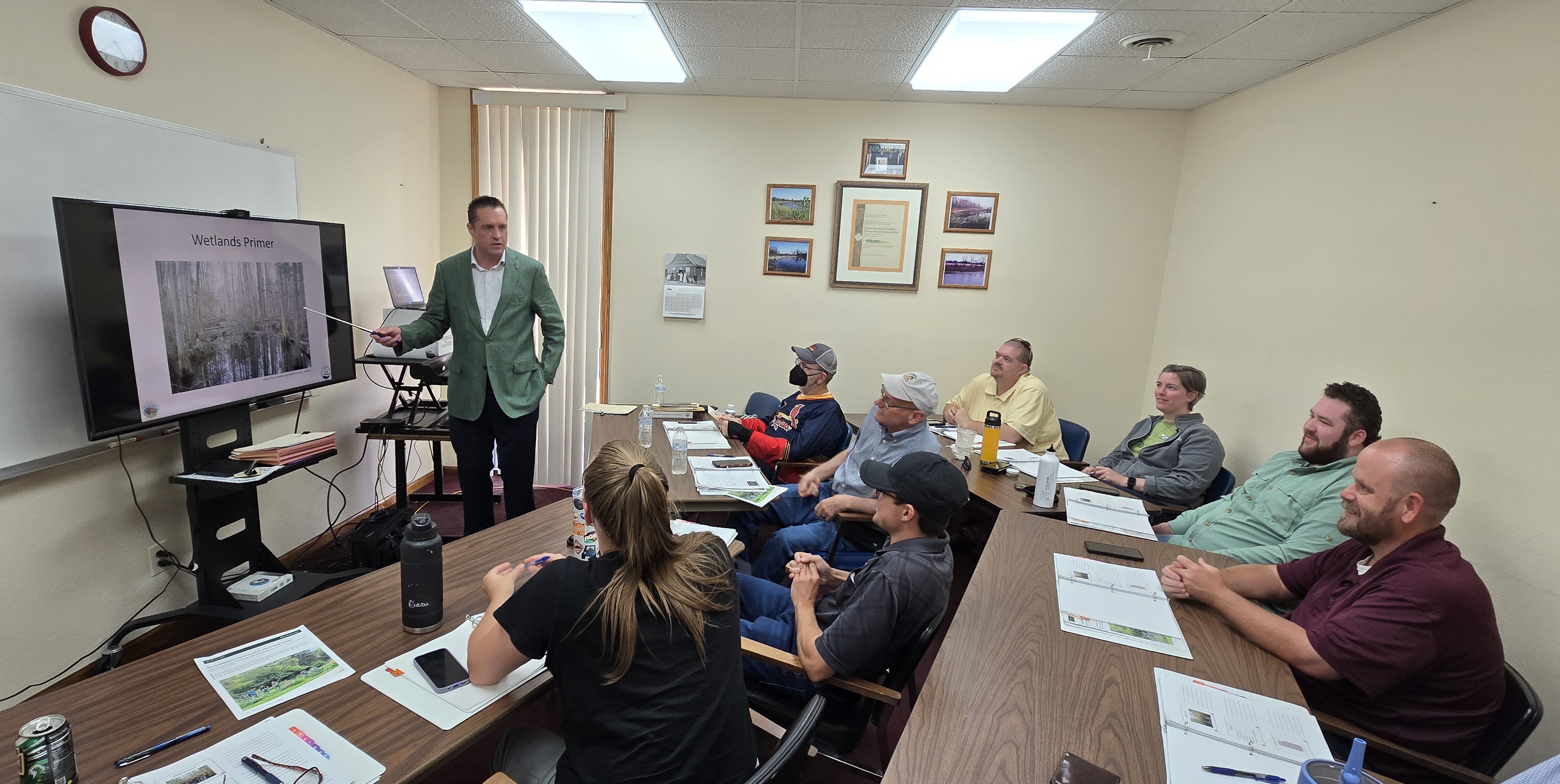
McCoy, joined by Brian Hicks, a hydrologist, and Jack Hopkins, a physical scientist, delivered hands-on instruction adapted from OSMRE’s National Technical Training Program (NTTP) Soils and Revegetation course. Importantly, the course placed an emphasis on real-world challenges participants face in the field.
OSMRE leadership emphasized that this kind of training is foundational to states’ success. “States depend on OSMRE’s training program to build and maintain the technical skills needed for successful reclamation,” said OSMRE Director Lanny Erdos. “In many cases, without this training, there would be limited opportunities for staff to receive this level of technical instruction. That’s why sustaining and strengthening these programs is a priority for me.”
The curriculum covered soil description, plant–soil relationships, soil sampling, amendments, and species selection. Instructors also incorporated topics not typically included in the standard course, such as acid-forming materials and wetlands, to better reflect the complexities of Mid-Continent sites.
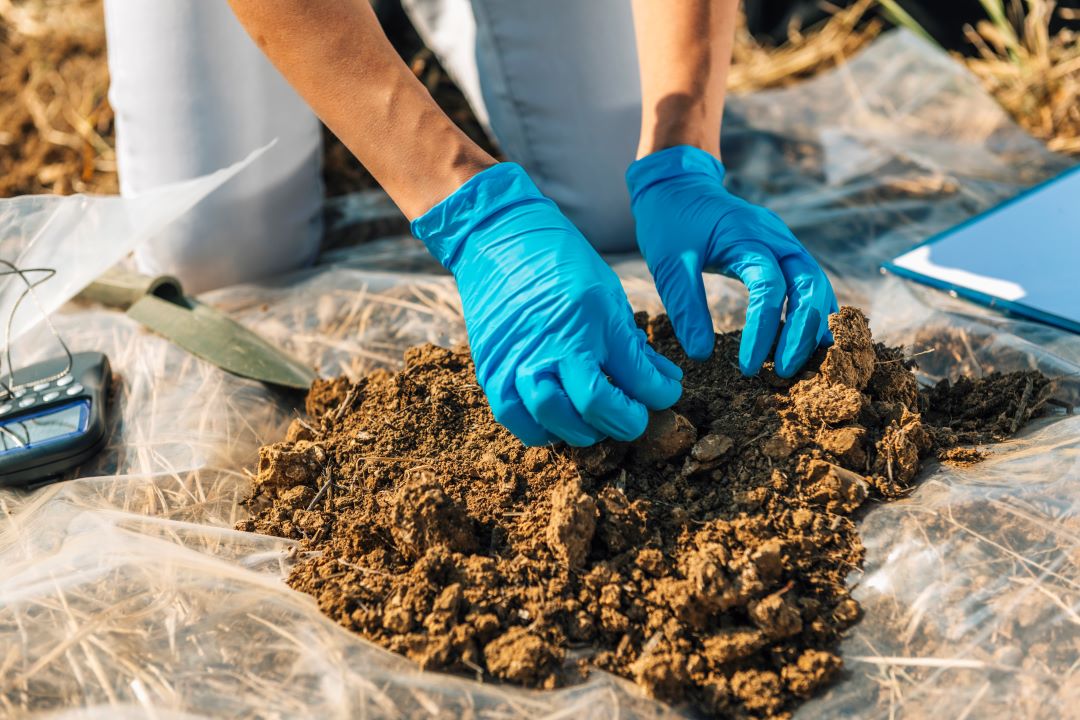
But participants didn’t just talk about reclamation principles. They practiced them. The group examined soil cores from a reclaimed site, used texture-by-feel methods to analyze soil composition, collaborated on seed mix design, and tested their understanding through interactive quizzes using a mobile application.
“A lot of time, thinking outside the box is required,” McCoy said. “We are applying agricultural principles to disturbed sites that are very different from typical agriculture. My goal is that participants leave more familiar with the jargon and concepts so they can better communicate with experts and each other.”
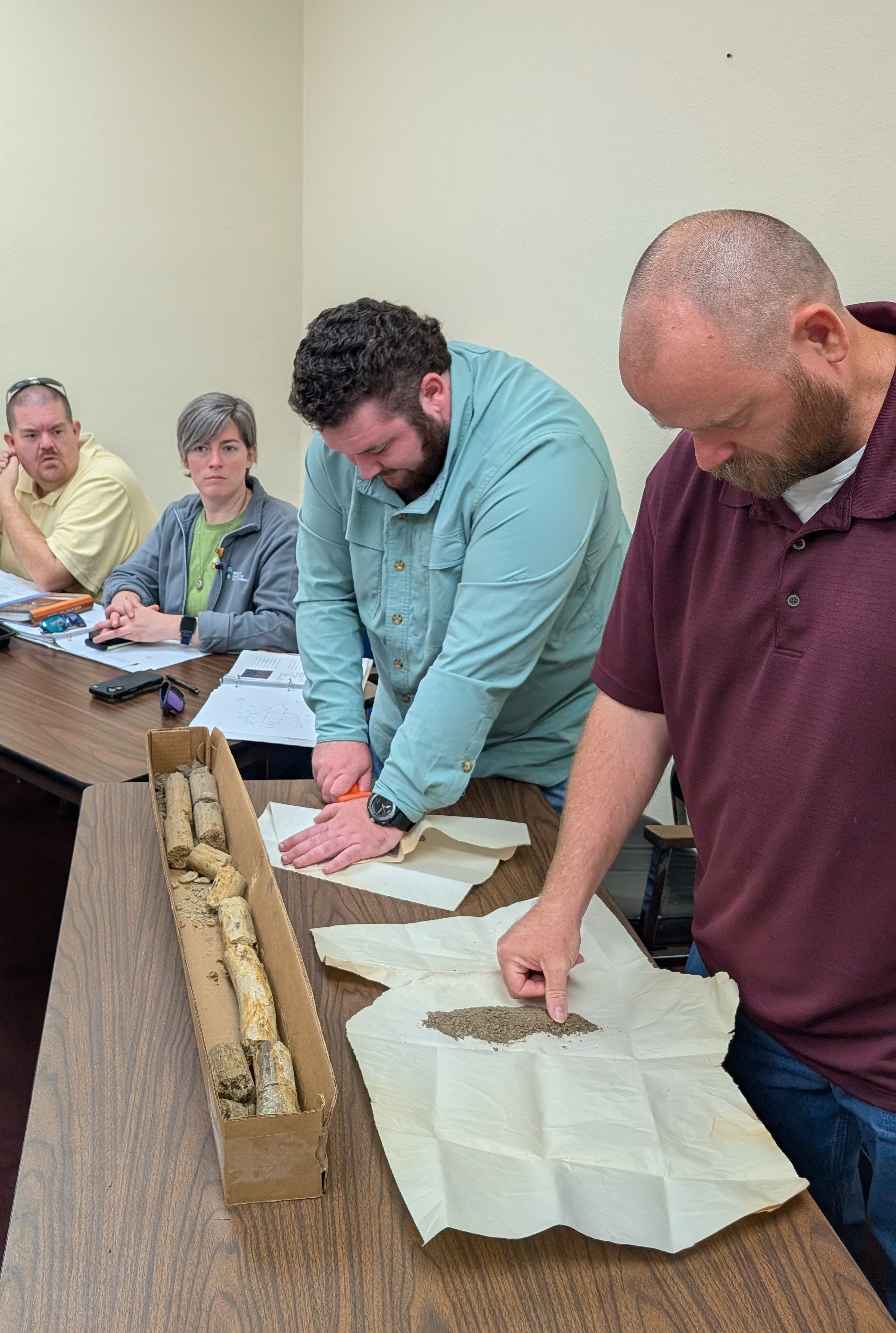
from a reclaimed mine site
For many, the in-person knowledge transfer provided an immediate, and relevant, opportunity to enhance their subject-matter expertise.
“These in-person sessions are important because people can spend a few days focused on the material and are able to network, have discussions and hear what other states are doing,” McCoy said.
Megan Moore, project coordinator with the Missouri Department of Natural Resources, said the event effectively covered its core subject matter.
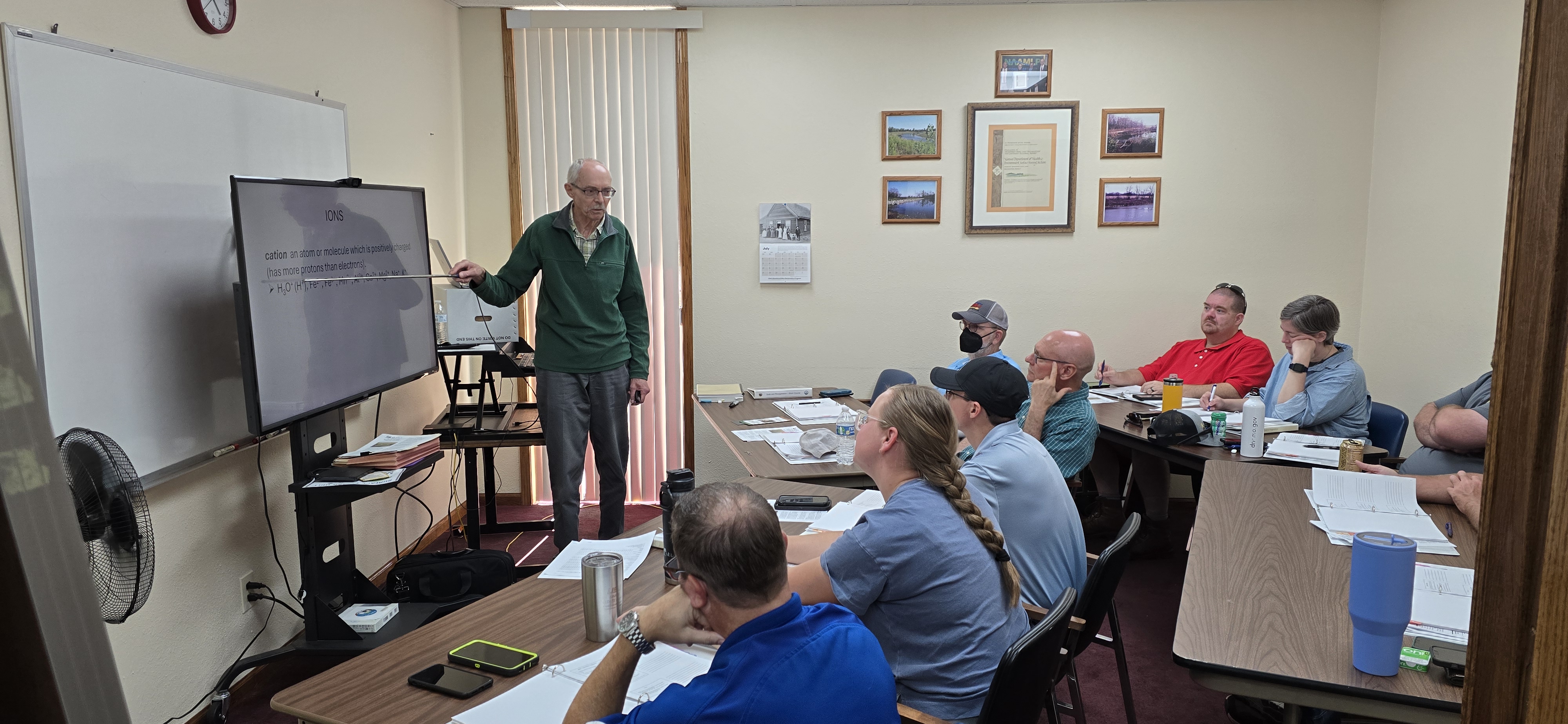
“It was both helpful and valuable to have a short course offering that hit hard on its main subject matter,” Moore said. “It also served as a small introduction to key principles for other offerings, such as acid-forming materials and erosion and sediment control.”
Danielle Evilsizor, an environmental specialist with the Kansas Surface Mining Unit, echoed that sentiment.
“Over the course of two days, Brian Hicks and Frank McCoy led a Soils and Revegetation short course,” Evilsizor said. “We covered topics like soil profiling, plant and soil relationships, wetland soils, acid-forming materials, and how to create seed mixes and amend mine spoil. It was a highly informative session with practical applications. I especially appreciated the opportunity to ask questions and the chance to collaborate with the other professionals in the class.”
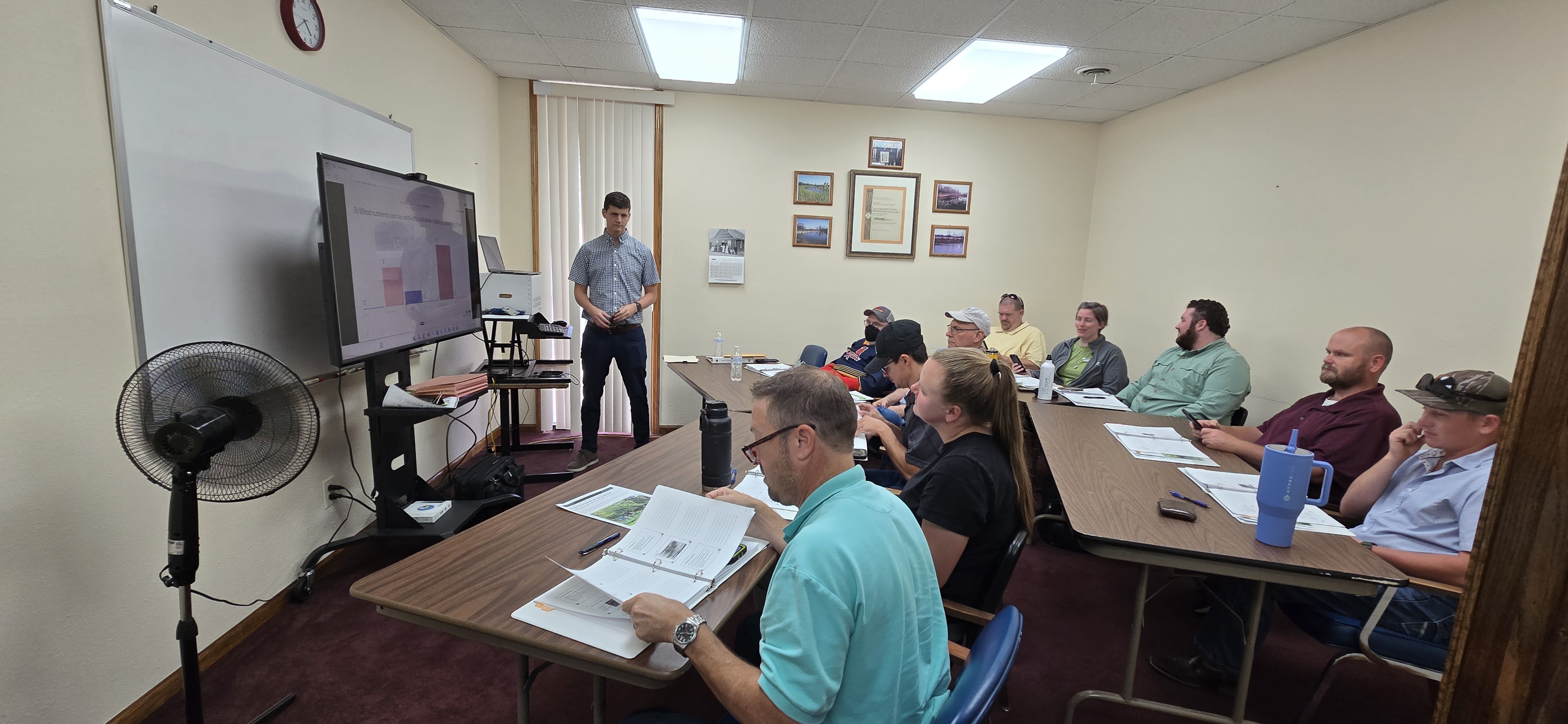
Todd Messenger, a design engineer with Missouri DNR, noted the depth of expertise the instructors brought to the room. “I appreciated the chemistry revival and the Q&A around acid-forming materials,” he said.
Beyond the technical content, McCoy emphasized the importance of in-person learning and the professional connections it fosters.
“Hopefully people get something out of it that they can directly apply to their work,” he said. “Just as importantly, they know where to get information and have an idea of the various aspects involved.”
For general questions about NTTP, email [email protected] or [email protected].