


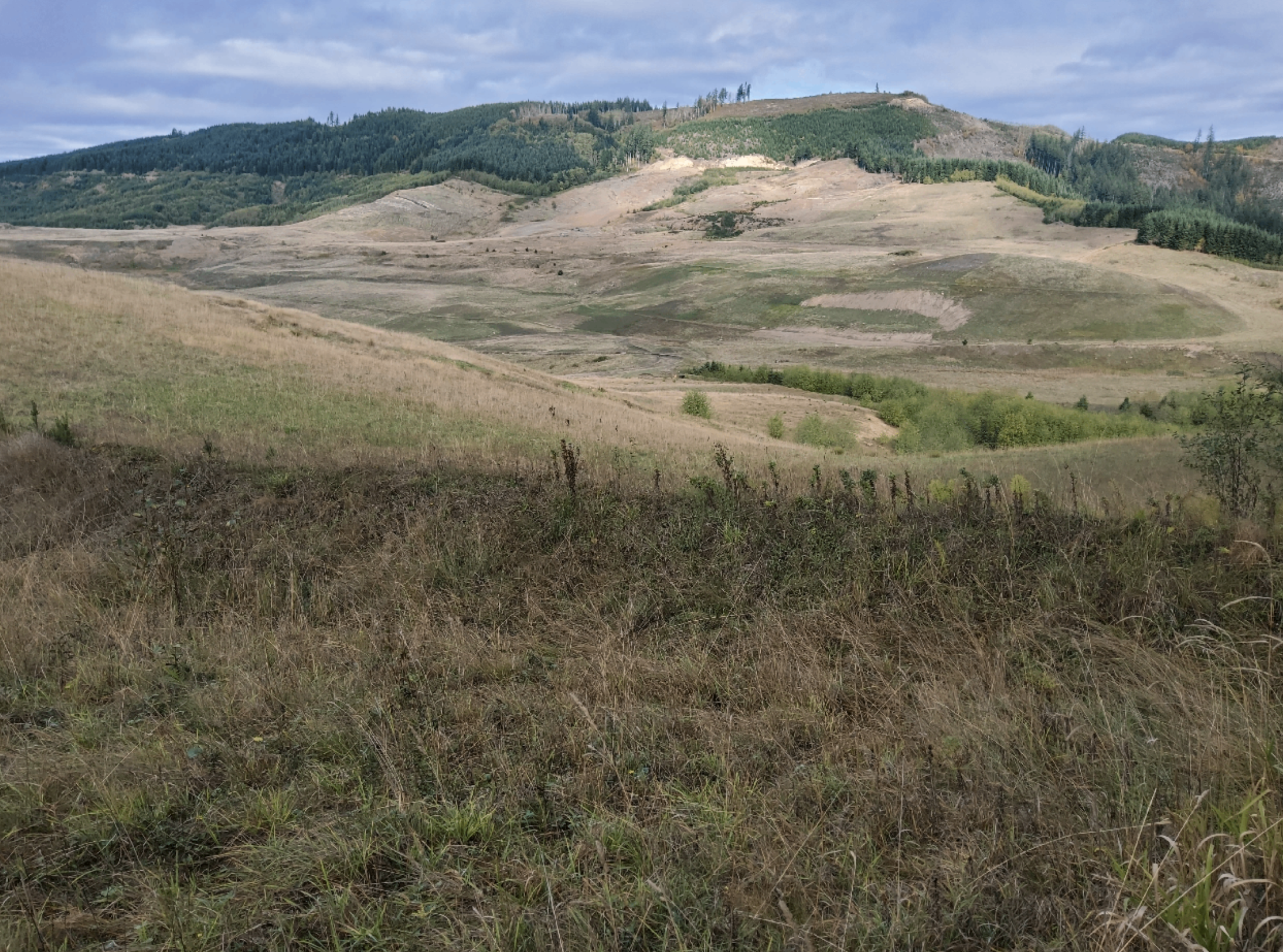
 The Centralia Mine is one of many places across the country where legacy coal mining shaped local landscapes and communities. While mining activity supported energy needs for decades, it also left behind challenges that required long-term attention.
This StoryMap explores the history of the Centralia Mine, the impacts that emerged after mining ended, and the reclamation efforts that followed. Through sustained oversight and reclamation work, OSM and our partners continue to address legacy mining impacts while protecting natural resources and supporting public safety for surrounding communities.
The Legacy of Mining at Centralia
Mining at Centralia played a significant role in meeting regional energy demands. Over time, however, abandoned mine lands and underground conditions created environmental and safety concerns that could not be resolved quickly or easily.
Reclamation as a Long-Term Commitment
Reclamation at Centralia demonstrates that addressing legacy mining impacts is not a single action, but an ongoing process. Stabilizing land, managing subsurface conditions, and protecting surface and groundwater require continued monitoring and coordination.
Our role includes providing technical oversight and supporting reclamation strategies that respond to site-specific conditions while prioritizing public safety and environmental protection.
Why Centralia Still Matters
The Centralia Mine StoryMap illustrates why reclamation remains essential long after mining ends. It highlights the importance of long-term planning, transparency, and stewardship in managing legacy mine lands. This work ensures communities are protected and environmental risks are addressed over time.
Looking Ahead
Across the country, we continue to work with partners to address legacy mining impacts through reclamation and oversight. The Centralia Mine is one example of how long-term stewardship helps communities manage the past while protecting the future.